
Powdered Additives
A range of specialized chemical additives designed to enhance drilling fluid performance, control corrosion, reduce friction, and improve wellbore stability.
Bentonite
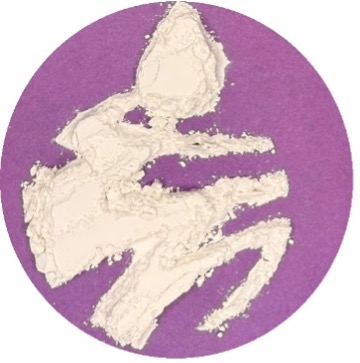
Drilling-grade bentonite is a montmorillonite-based mineral widely used to prepare and improve the performance of water-based drilling fluids. By providing suitable viscosity, it helps suspend and transport drill cuttings, control filtration, and form an effective filter cake on the wellbore wall. Bentonite plays an important role in wellbore stability and the effective performance of the drilling fluid system.
Drilling Barite, SG 2/4
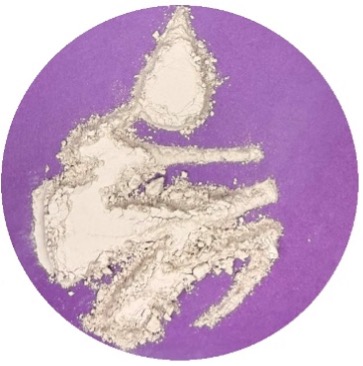
Drilling Barite (SG 4.2) is a high-density mineral weighting agent widely used in drilling fluids to increase fluid density and control the hydrostatic pressure of the fluid column. With suitable purity and quality, it helps maintain the desired drilling fluid density and control formation pressure, playing an important role in the stability and safety of drilling operations.
Black Powders
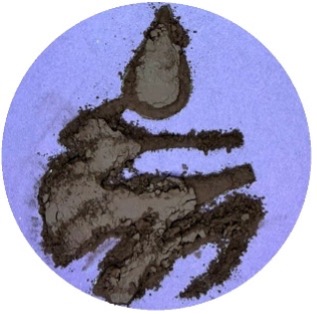
Black drilling powders (Black Materials) are a widely used group of mineral- and organic-based materials in drilling fluids. They include products such as graphite, gilsonite, and sulfonated asphalt. Depending on their type and properties, these materials are used to control fluid loss, reduce formation permeability, improve lubricity, and reduce shale sticking and swelling. The appropriate type and particle size for each black powder depend on operational conditions and requirements.

Calcium Chloride Salt
Calcium chloride is a water-soluble mineral salt used in the drilling, oil, and gas industries as a source of calcium ions and to adjust salinity and fluid properties. Its high solubility makes it useful in preparing and adjusting drilling and well completion fluids, and in controlling fluid interactions with water-sensitive formations. It is available in two common purities: 77% and 96%.

Calcium Carbonate Powder
Calcium carbonate, available in a range of particle sizes, is widely used in the drilling industry as a weighting material and, in particular, for fluid loss control and formation bridging. It is supplied in sizes ranging from fine to coarse. Selecting the right particle size for the formation type and the size of its pores and fractures helps create an effective bridge, reduce filtration, and improve drilling fluid performance. Because calcium carbonate is soluble in acid, it can also be removed from flow paths and the formation during acidizing operations.

Fiber Seal
Fiber Seal is a fibrous material used to control fluid loss during drilling operations. By forming an interwoven fiber network, it helps bridge and plug pores and fractures in the formation. Used with other drilling fluid loss control materials, it can help create a stable, resilient filter cake, reduce drilling fluid losses, and improve lost circulation control in fractured and highly permeable formations.

Potassium Chloride
Potassium chloride is a water-soluble mineral salt used in drilling fluid systems, particularly water-based muds, to control the hydration and swelling of reactive shales. Potassium ions reduce the tendency of clays to absorb water and swell, helping improve wellbore stability, reduce problems caused by unstable shales, and enhance overall drilling fluid performance.

Kwik Seal
Kwik Seal is a specialized lost circulation material (LCM) used to rapidly seal pores, gaps, and fractures in the formation during drilling operations. By forming a bridge and a resilient seal where losses occur, it helps reduce drilling fluid loss and maintain wellbore integrity and stability. Kwik Seal may contain a blend of lost circulation materials, such as mica, Fiber Seal, walnut shells, and others.
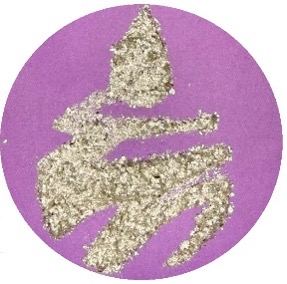
Mica
Mica is a flexible, sheet-like mineral used in the drilling industry as a lost circulation material (LCM). Its flaky, layered structure allows it to lodge in formation pores and fractures, forming a bridge and sealing layer that helps reduce drilling fluid loss. Available in various particle sizes, mica can be used alone or in combination with other LCMs to control minor to moderate fluid losses.

Oyster Shells
Oyster shell is a natural, mineral-based material used in the drilling industry as a lost circulation material (LCM). Its hard structure and range of particle sizes allow it to lodge in formation pores and fractures, forming a bridge and sealing layer that helps reduce drilling fluid loss. Due to its carbonate composition, oyster shell can be combined with other LCMs to improve lost circulation control.
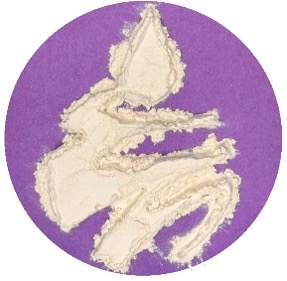
Polyanionic Cellulose (PAC)
Polyanionic cellulose (PAC) is a widely used polymer in water-based drilling fluids for fluid loss control and improved rheological properties. The LV (low-viscosity) grade is used mainly to reduce water loss and control filtration without significantly increasing viscosity. The HV (high-viscosity) grade provides fluid loss control while also increasing viscosity and improving the fluid’s capacity to carry drill cuttings. The appropriate PAC grade is selected according to well conditions and drilling fluid system specifications.
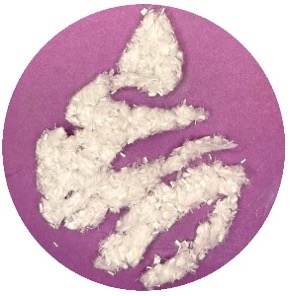
Polypropylene Fibers
Polypropylene fibers are used in drilling fluids as a well-cleaning additive to improve hole cleaning and help transport drill cuttings more effectively. By forming a network-like structure in the fluid, the fibers help gather and carry cuttings. They can improve drilling system performance when hole cleaning and cuttings transport are challenging.

Powdered Hydrogen Sulfide Scavenger
Powdered hydrogen sulfide scavengers (H₂S scavengers) based on zinc carbonate and zinc oxide are used to reduce and remove hydrogen sulfide from drilling fluids and operational environments. By reacting with H₂S, these materials help lower its concentration and mitigate its harmful effects. Their powdered form allows them to be mixed and distributed effectively throughout the drilling fluid system. These products offer an effective way to manage H₂S and improve the safety and stability of drilling operations.
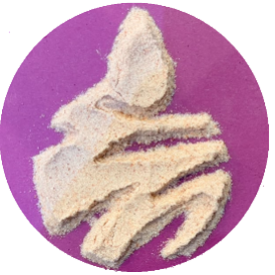
Drilling Starch
Drilling starch is widely used in water-based drilling fluids, primarily to control filtration and reduce fluid loss. It is available in several grades, including modified starch and high-temperature-resistant starch. Modified starch offers improved stability and performance for effective filtration control, while high-temperature grades are designed to maintain performance under demanding temperature conditions and in deep wells.
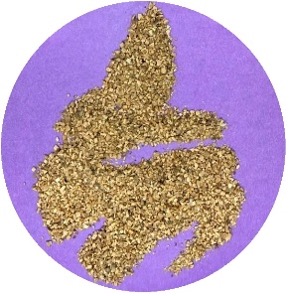
Walnut Shells
Walnut shell, available in various particle sizes, is a natural material used in drilling operations as a lost circulation material (LCM). Its hard, durable structure allows it to lodge in formation pores and fractures, helping create a bridge and an effective sealing layer. Available in fine, medium, and coarse mesh sizes, walnut shell can help reduce fluid loss and improve drilling system performance when the particle size is selected to match the type and severity of losses.

Xanthan Gum
Xanthan gum is a high-performance biopolymer used in water-based drilling fluids to increase viscosity and improve rheological properties. By providing suitable viscosity at low shear rates, it helps suspend and transport drill cuttings, improve hole cleaning, and maintain fluid stability. Its ability to form an effective gel and perform well across a wide range of operating conditions makes xanthan gum a widely used additive in drilling fluid systems.