
Produced by NSR


BENTONITE
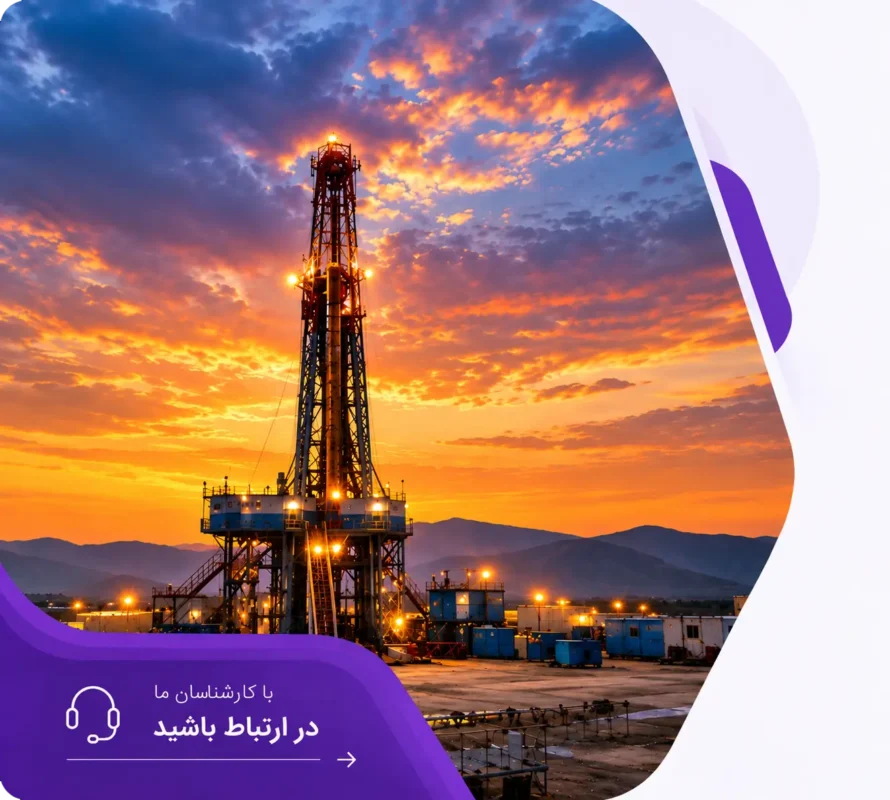
Sodium bentonite powder can swell up to several times its volume as it absorbs water, an outstanding characteristic which alongside its colloidal properties has made bentonite an exceptional choice for drilling; not only does it lubricate and cool the drilling bit, but also carry cuttings to the surface. What’s more, its thixotropic nature results in viscosity increases which in turn improve the carrying capacity in dynamic condition and keep cuttings suspended in static condition preventing them from falling back into the well in case of static operation. Bentonite is a cost-effective mud additive controlling fluid loss and maintaining filter-cake quality in freshwater and sea water mud. It is very useful in drilling top sections to seal and support the nonconsolidated formations layers like gravels and lose sand.
According to the National Geoscience Database of Iran, Iran enjoys more than 24 million tons of bentonite resources which are mainly spread throughout Isfahan, Tehran, Khorasan, Semnan, Markazi, and Yazd provinces, while in January 2016 U.S. Geological Survey, Mineral Commodity Summary, introduced Iran as the 8th global producer of Bentonite with some 430 thousand tons annually.
The abovementioned quite well approves Iran’s capabilities and potential regarding bentonite. NSR, with an unprecedented commitment to quality, the way our policy has always been like, have utilized this potential and is now more than ready to provide its invaluable clients with bentonite in full accordance with the widely recognized standards like API and OCMA. Consequently, if you are having any requirements for drilling bentonite, do not hesitate and shoot for the tried and true.

CALCIUM CARBONATE
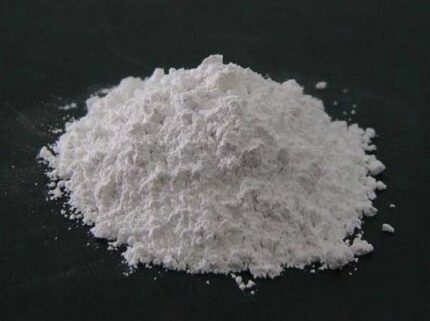
Calcium Carbonate is broadly used in various industries, e.g. construction, steel, fertilizer, paper, paint, plastic, and drilling to name a few. While its resources spread throughout the globe, no one calcium carbonate is exactly like another. And although its deposits are plentiful, only a few of them are of sufficiently high quality to provide the market with different grades. We are pleased to inform our customers that according to the world mine researches, Iran is amongst the few countries with quality reserves of limestone. Given this fact, NSR has identified the most dependable mines of the country and is ready to serve different industries with an unprecedented quality.
DRILLING BARITE
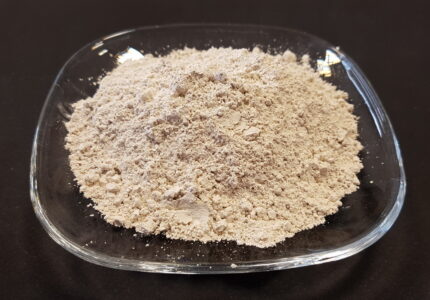
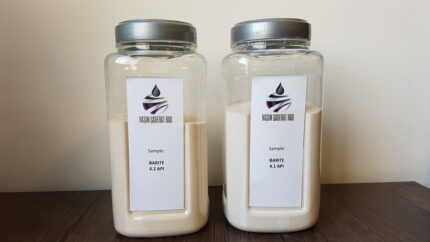
Ever since established, NSR has relied on barite, barium sulphate, and the company’s activities have revolved around exploration, mining, production, packaging, and distribution of barite powder. To reach excellency, we have never overlooked the role of quality control and the invaluable knowledge of highly experienced individuals in the field. We are delighted to let our clients know that in 2015, we registered our own mine, which is located in Arak province in central part of Iran.
In spite of the fact that some 4% of the global barite reserves is located in Iran, the country holds only 2% of the global production, which shows the potential for growth in the market. With realization of this fact, NSR has always tried to identify the finest mines in the country to boost its production rate with an outstanding commitment to steady quality.
Most of the produced barite in the world is used in drilling as weighting agent and the main constituent of drilling mud. Other applications of barite include paint, paper, cloth, rubber, powder coating, and brake pad chemicals industries.

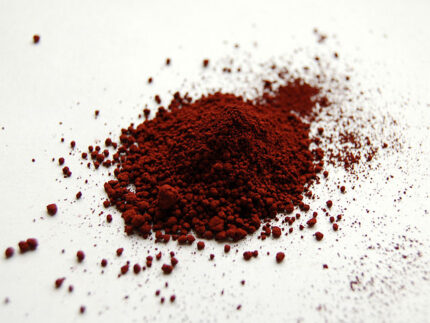
HEMATITE
Hematite is known by the chemical formula Fe2O3. In general, iron ores are different. For example, the variety of iron ore can be expanded under the names of hematite, magnetite, zeolite, limonite, and siderite. One of the most prominent features of hematite stone is its anti-corrosion properties. Its appearance is reddish brown. In terms of mineralogy and formation time, there is a big difference between hematite and magnetite, which is another type of iron ore with Fe3O4 formula. It is also called an allogeneic hematite, and the most important property of this type of iron ore is the presence of a small amount of water in its composition. The color of this type of iron ore can be changed from steel gray to ferrous black. However, its thin parts can be dark red in color.
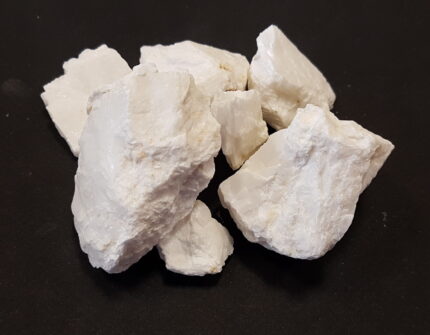
PAINTING BARITE
Barite is also used in smaller scale, compared to drilling industry, in paint and plastic industries as filler mineral and extender. White paint-grade barite is another well-known NSR product. Despite the significant and still increasing demand for white paint-grade barite in Europe, no major mine supplies it from inside Europe and the market have been normally counting on China and India for the same. However, China's own internal demand is limiting traditional exports and there seems to be a shortage of supply in the coming years unless a new player in the market makes it up. Having a large proportion of barite resources and its strategic location, vicinity to Europe, has made Iran a wonderful, even more interesting than the traditional suppliers, substitute. NSR has taken advantage of this potential and has exported enormous amounts of painting barite to Germany, Italy, UK, Turkey, and GCC countries in the last few years, and is still gaining experience and boosting its capabilities in the field.

GILSONITE
Gilsonite is a natural, resinous hydrocarbon. This natural asphalt or Natural bitumen is similar to hard petroleum asphalt and is often called a natural asphalt, asphaltite, uintaite, or asphaltum. Gilsonite is soluble in aromatic and aliphatic solvents, as well as petroleum asphalt. Due to its unique compatibility, Gilsonite is frequently used to harden softer petroleum products. Gilsonite in mass is a shiny, black substance similar in appearance to the mineral obsidian. It is brittle and can be easily crushed into a dark brown powder.
Asphaltenes consist primarily of carbon, hydrogen, nitrogen, oxygen, and sulfur, as well as trace amounts of vanadium and nickel. The C:H ratio is approximately 1:1.2, depending on the asphaltene source. Asphaltenes are defined operationally as the n-heptane (C7H16)-insoluble, toluene (C6H5CH3)- soluble component of a carbonaceous material such as crude oil, bitumen or coal. Asphaltenes have been shown to have a distribution of molecular masses in the range of 400 u to 1500 u with a maximum around 750 u.